Water Damage Restoration Ramona, CA
Standing water moves into pad, baseboard and drywall within hours, so the first call matters more than the first repair. Ramona restoration crews extract it, dry the structure to the IICRC S500 standard and log daily readings for the claim.
(888) 450-9281Start extraction before it wicks deeperWater and sewage only. Every dry-out is documented with a moisture map, daily readings and timestamped photos for the adjuster.
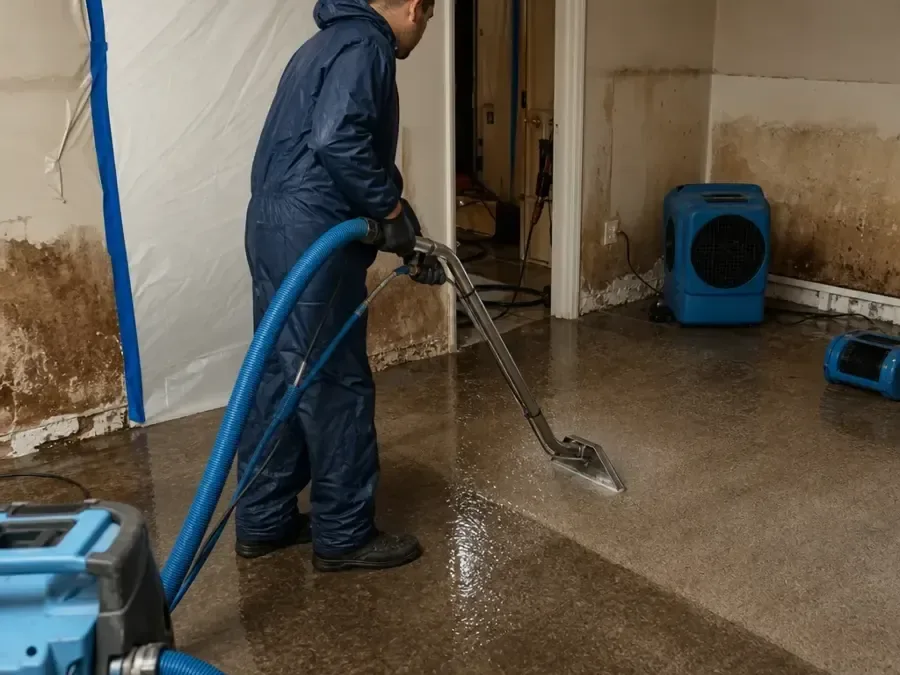
Why water damage in Ramona runs differently
Ramona sits in the Santa Maria Valley at about 1,430 feet, with frost nights in winter, storm runoff off the surrounding hills and a housing stock that mostly went up in 1970 or later.
January 1993: 14.15 inches of rain fell, the wettest month in the airport record that starts in 1974, the kind of run that sends hillside runoff toward garages and door thresholds.
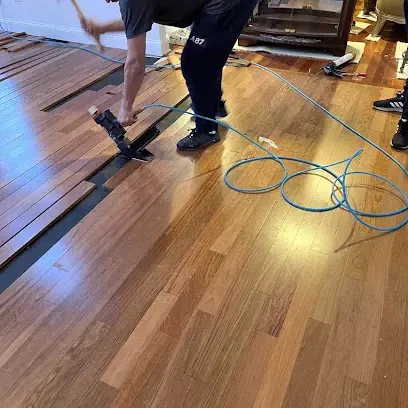
Winter storm runoff
Rain here outpaces San Diego, and the one-day high in the record that starts in 1974, 5.33 inches, fell in January 1978. Runoff off the hills and toward Santa Maria Creek finds garages, slabs and thresholds.
Slab leaks in 1970s and 1980s homes
Most local homes went up in 1970 or later, many on slabs with copper underneath. Pinholes leak into the concrete long before a warm spot or damp carpet shows.
Frost nights and split lines
The valley swings about 30 degrees between day and night, and the lowest reading in the record that starts in 1974 was 16 degrees in January 2007. Exposed hose bibs, attic lines and garage pipes split first.
Sewer and septic backups
Homes on the district sewer back up through a cracked or root-filled lateral, and a lot on a septic tank can back up after a soaking storm. Either way the water is Category 3.
Water Damage Restoration Services in Ramona, CA
Water and sewage work only, sized to how foothill homes take on water: under the slab, through the roof, up a drain or across the yard in a winter storm.
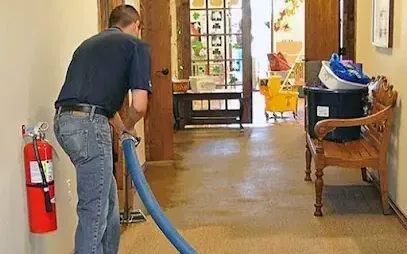
Water Extraction and Removal
Truck-mounted and portable units pull standing water off floors and out of carpet before it wicks into the walls.
Water Extraction and Removal details ›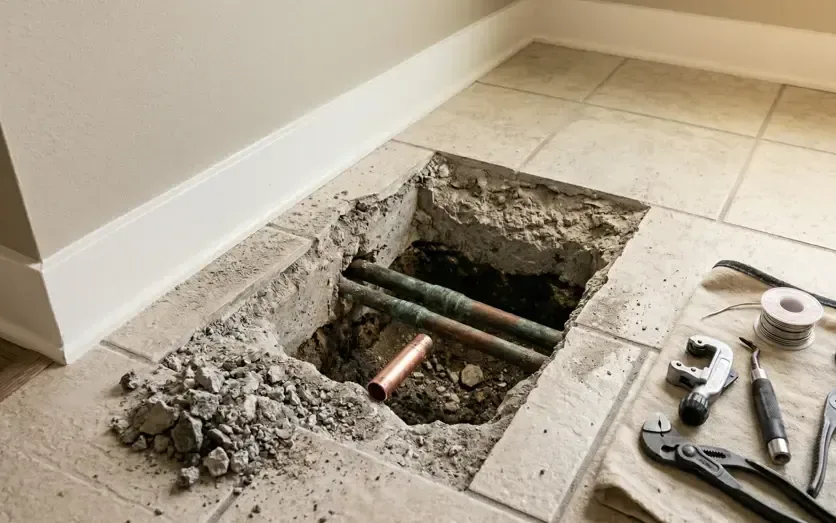
Slab Leak Water Damage
Copper under 1970s and 1980s slabs pinholes out of sight. Wet flooring comes up and the concrete is dried.
Slab Leak Water Damage details ›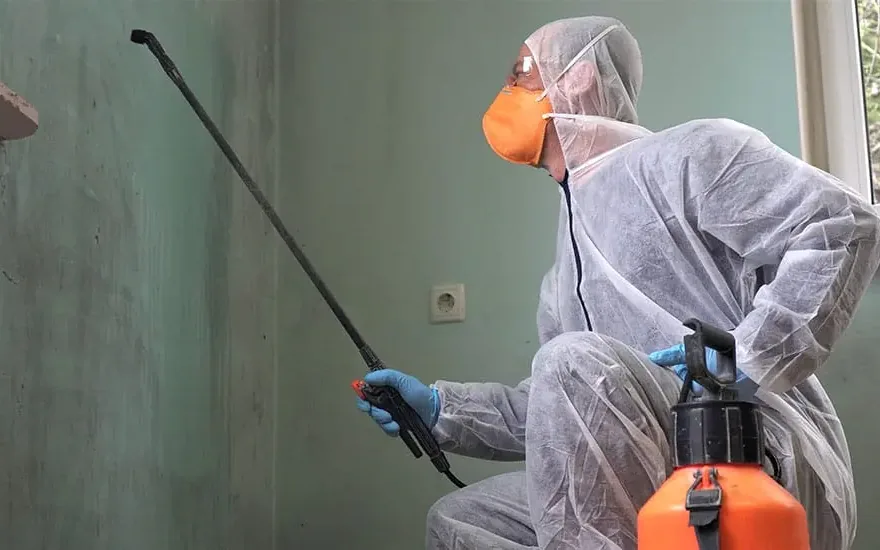
Sewage and Septic Backup Cleanup
Sewer lateral and septic tank backups handled as Category 3, with porous materials removed and surfaces treated.
Sewage and Septic Backup Cleanup details ›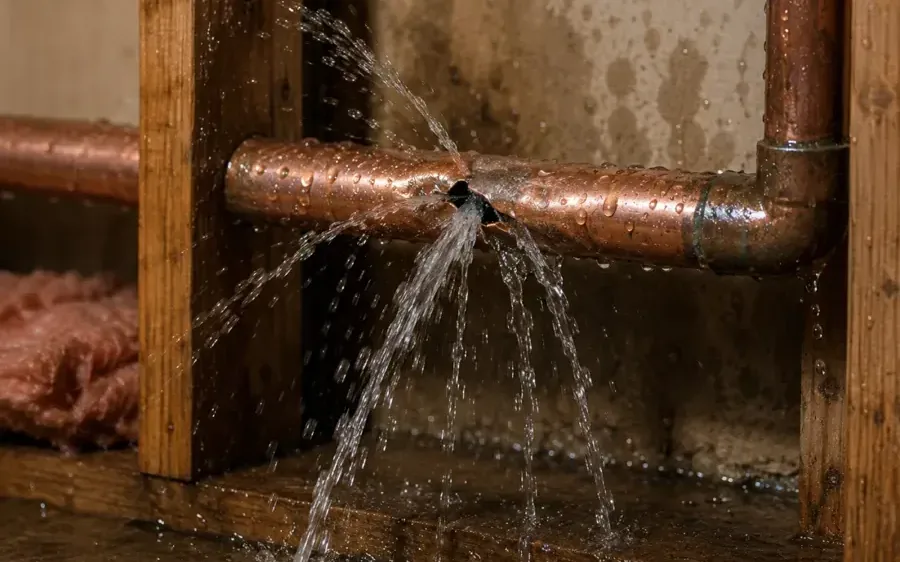
Burst Pipe Water Damage
A split supply line can dump hundreds of gallons. Crews extract, open the wet cavities and dry the framing.
Burst Pipe Water Damage details ›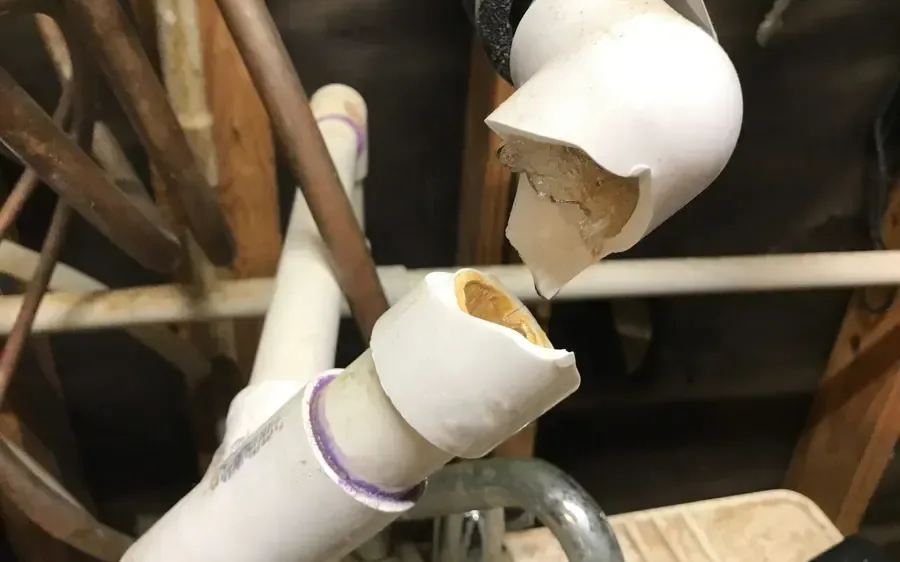
Frozen Pipe Water Damage
Cold valley nights split exposed and attic lines. The leak shows at the thaw, and drying starts right there.
Frozen Pipe Water Damage details ›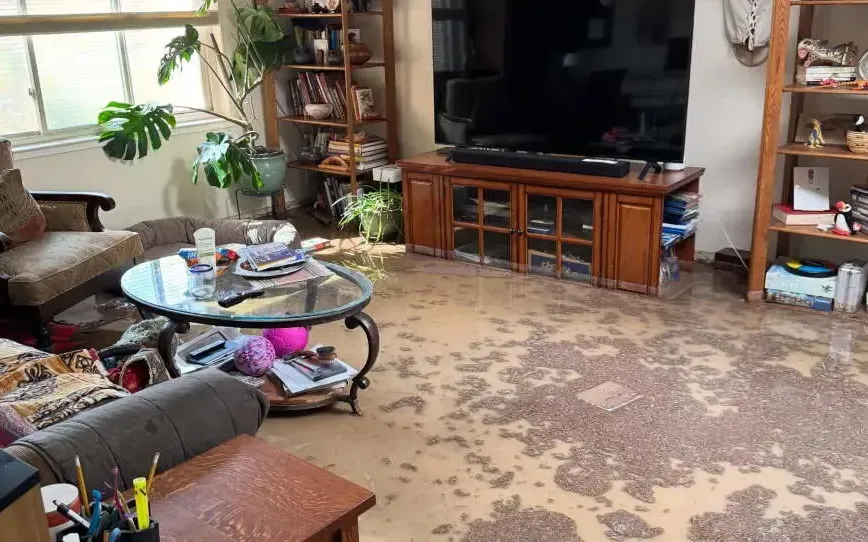
Storm Runoff and Flash Flood Cleanup
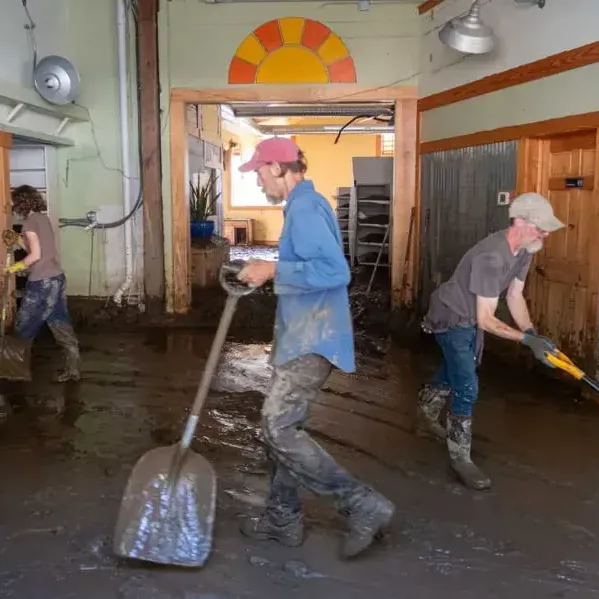
Winter storm runoff off the hills carries mud and debris. It is treated as contaminated, cleared and dried.
Storm Runoff and Flash Flood Cleanup details ›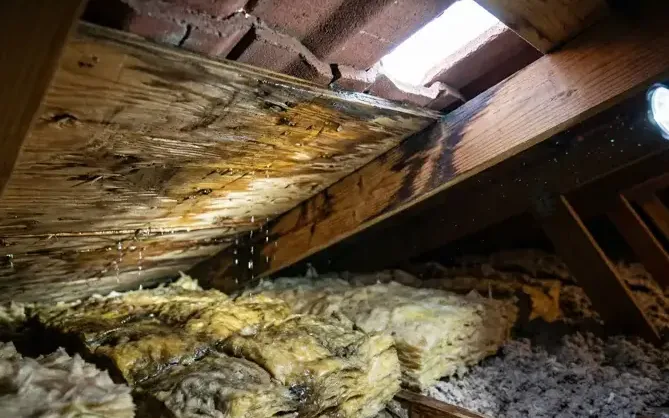
Roof Leak Water Damage
Storm water through flashing, valleys and vents soaks attic insulation. Wet insulation comes out and ceilings dry.
Roof Leak Water Damage details ›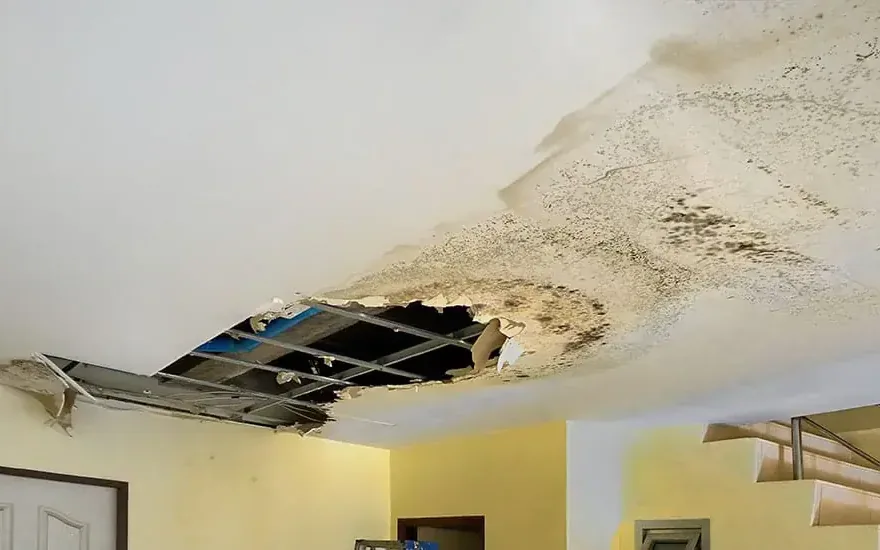
Ceiling Leak Water Damage
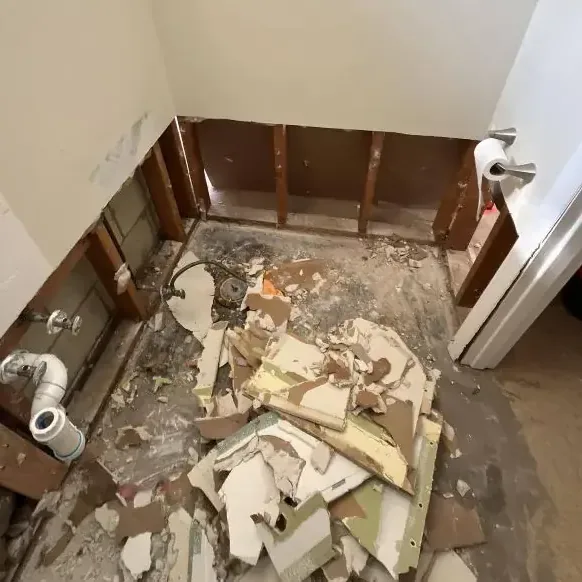
Bath, supply line and attic unit leaks traced from below, ceiling drywall opened safely and joist bays dried.
Ceiling Leak Water Damage details ›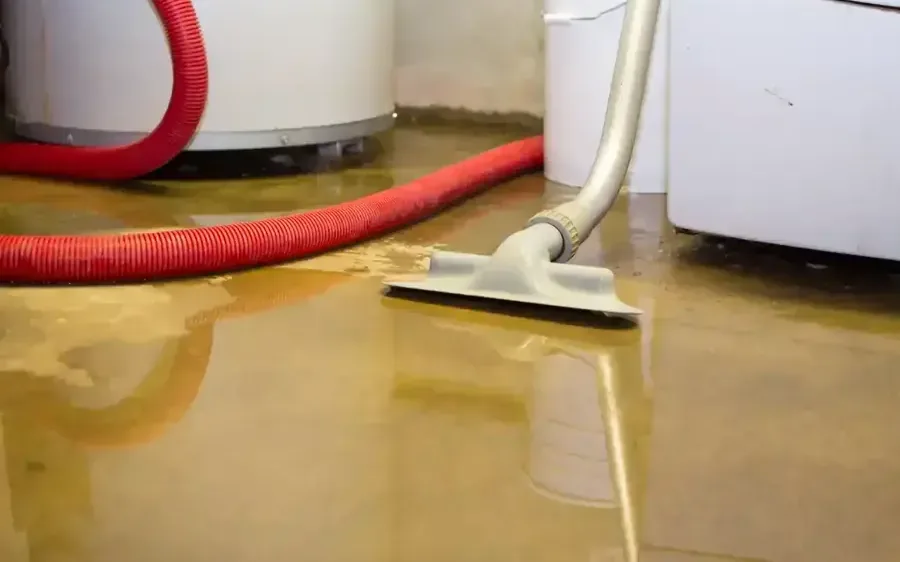
Water Heater Leak Cleanup
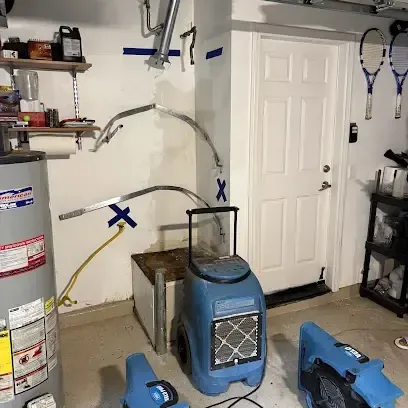
Garage and closet tanks fail without warning. Water is extracted before drywall and stored boxes soak through.
Water Heater Leak Cleanup details ›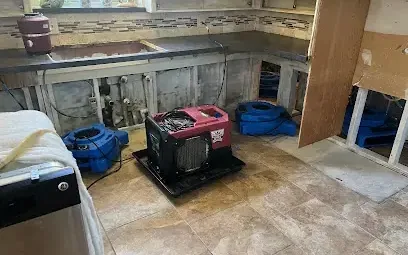
Appliance and Supply Hose Leaks
Washer hoses, dishwasher lines, ice makers and toilet supplies leak slowly into floors and cabinet bases.
Appliance and Supply Hose Leaks details ›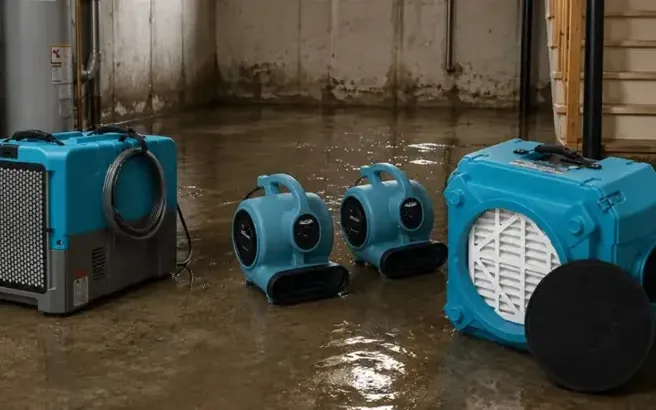
Structural Drying and Dehumidification
Air movers and LGR dehumidifiers dry framing, subfloor and concrete to 2 to 4 points of a dry reference.
Structural Drying and Dehumidification details ›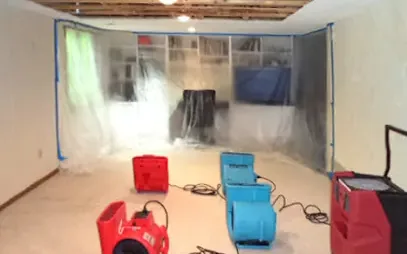
Commercial Water Damage
Main Street shops, offices, clinics and ranch buildings dried in phases so work keeps moving around the equipment.
Commercial Water Damage details ›The first hour decides how far the water travels
- 1
Shut off the water at the main
Closing the main shutoff stops a slab leak, a split line or a failed heater from feeding more water into the house.
- 2
Keep clear of outlets and the panel
Stay off soaked floors near cords and outlets, and leave the breaker panel alone if water reached it.
- 3
Treat drain water as sewage
Water rising from a tub, toilet or floor drain, or from a septic backup, is Category 3. Keep people and pets out.
- 4
Photograph before moving anything
Take wide and close photos of every wet room. Those images start the claim file before cleanup changes the scene.
- 5
Call for extraction and drying
A restoration crew brings pumps, air movers, dehumidifiers and moisture meters at any hour, weekends and holidays included.
One call puts an extraction crew on the road, day or night
Dispatch runs 24/7 across the Santa Maria Valley, San Diego Country Estates, Mt. Woodson and the ranch roads beyond, nights, weekends and holidays included.
Active water is treated as urgent at any hour. The crew arrives with pumps, air movers and meters, and the walkthrough starts with a moisture map.
(888) 450-9281Send an extraction crew up the hillFrom the first call to a verified dry reading
IICRC S500 is the industry standard for drying a water damaged structure. It sets how water is categorized, how drying is measured and when equipment can come out: when readings say dry, not when a surface looks dry.
Call and dispatch
The response team logs the source and the wet rooms, then sends a crew with extraction gear.
Map the moisture
Meters and thermal imaging show how far water traveled under floors and inside walls.
Extract the water
Truck-mounted and portable units pull standing water before it wicks any higher.
Dry and log daily
Air movers and LGR dehumidifiers run while readings are logged every day.
Verify and document
Equipment leaves when materials reach 2 to 4 points of a dry reference.
From Main Street to San Diego Country Estates and the backcountry
Valleys and neighborhoods
Nearby communities
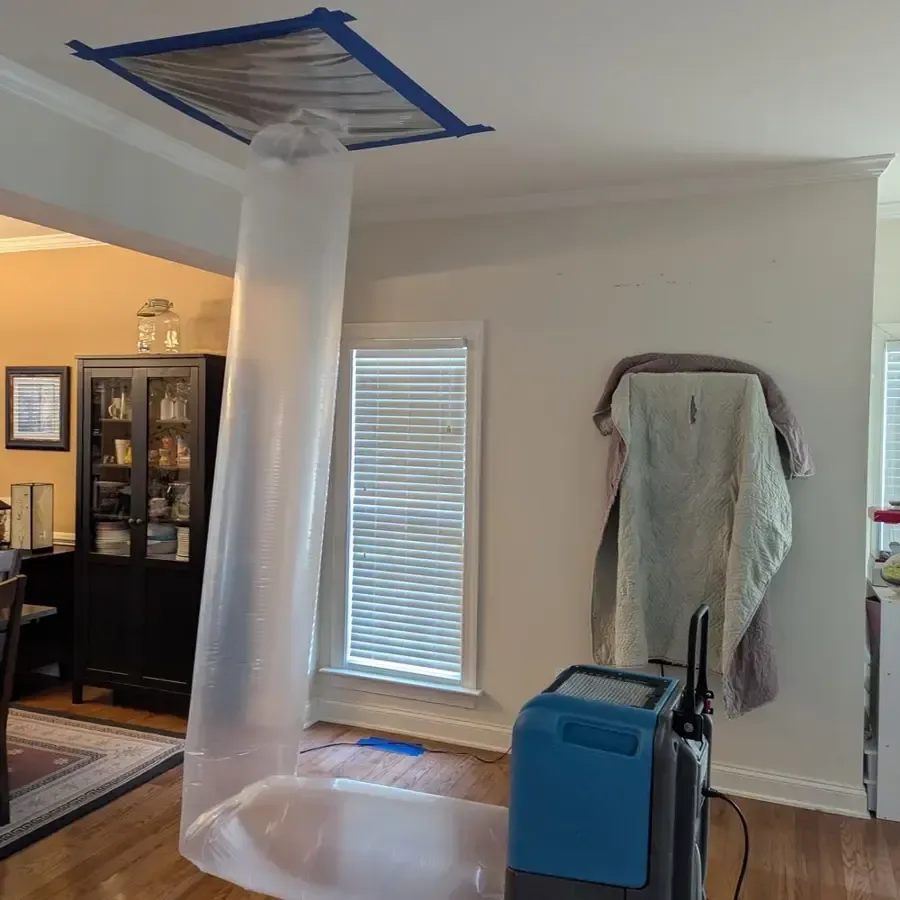
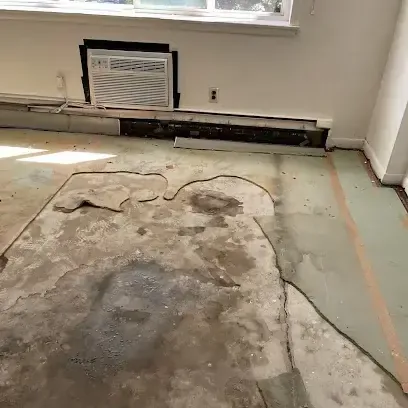
What a water damage dry-out looks like, room by room
Not all water is the same, so drying plans differ
Category 1, clean supply water
A split supply line, a slab leak or a failed water heater. Caught early, most materials can be dried in place.
Category 2, gray water
Washer, dishwasher and overflow water carries contaminants. Pad usually comes out and surfaces get an antimicrobial.
Category 3, black water
Sewage, septic backups and storm runoff off the hills. Porous materials it touched are removed, never just dried.
How a foothill dry-out is run from first reading to last
Water damage looks finished long before it is. The difference between a dried house and a house that only looks dry is a set of readings taken every day.
Moisture mapped before equipment
The walkthrough maps moisture first, so the drying plan matches what is actually wet, not what looks wet.
Extraction before air movers
The extraction crew pulls standing water fast, so it leaves the building instead of wicking into the next room.
Dried to a verified reading
Air movers and LGR dehumidifiers run to each room's load, and equipment stays until daily readings say dry.
A claim file that holds up
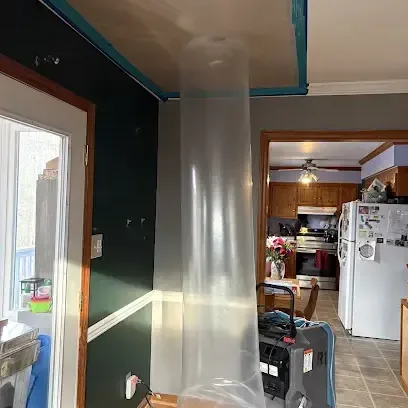
Timestamped photos, the moisture map and daily psychrometric logs give the adjuster what the claim needs.
What does water damage restoration cost in Ramona, CA?
Water damage restoration in Ramona, CA typically runs $1,200 to $15,000 or more. The water category, square footage, material class and how fast drying started move the total most, and every scope is set after a walkthrough and a moisture map.
Small, caught early
- One room or a small supply leak
- Extraction and drying
- Clean, Category 1 water
Slab leak or several rooms
- Flooring lifted, wall bottoms opened
- Containment and LGR drying
- Clean or gray water
Sewage, septic or storm runoff
- Category 3 removal
- Antimicrobial and containment
- Extended monitoring
Ranges are typical, not a quote. Run the water damage cost calculator for a closer range, and see structural drying for how drying time is set.
What the claim file holds
Sudden and accidental water damage, like a split pipe or a failed heater, is often covered. Flooding from outside usually falls under a separate flood policy. Check your own policy.
- A moisture map of every wet room and wall
- Daily psychrometric logs of temperature and humidity
- Timestamped photos taken before any demolition
- The water category and class of loss on record
- A line-item scope of extraction, removal and drying
Before the adjuster visits
Keep damaged items until the adjuster has seen them or approved disposal, and photograph serial numbers on appliances and electronics.
Write down when the water was found and when it was shut off. A clear timeline helps show the damage was sudden, not a slow leak.
Ramona water damage questions, answered
How fast does a crew respond to a water emergency in Ramona?
Dispatch runs around the clock, nights, weekends and holidays included, and active water is treated as urgent. Travel time varies with the road and the weather, so the response team confirms when the crew will arrive before it rolls.
Will homeowners insurance pay for the water damage?
Sudden and accidental damage, like a split supply line or a failed water heater, is often covered. Flooding from outside usually needs a separate flood policy, and long slow leaks are often excluded. Check your own policy; the claim file documents the loss either way.
What causes most water damage in foothill homes here?
Slab leaks under homes built in the 1970s and 1980s, lines split on frost nights, water heater failures, roof leaks in winter storms and sewer or septic backups lead the list. Storm runoff off the hills adds garage and threshold flooding in wet years.
How long does drying take?
A contained Class 1 or 2 loss usually dries in three to five days once drying starts. Slabs, hardwood and soaked wall cavities take longer. Equipment stays until daily readings reach 2 to 4 points of a dry reference, not until a surface feels dry.
What is the IICRC S500 standard?
It is the industry standard for professional water damage restoration. It defines water categories and classes of loss, how moisture is measured and when drying is complete, so the job ends on readings rather than on a guess.
When does wet drywall have to come out?
Drywall soaked by clean water can often be dried in place if drying starts within a day or two. Drywall touched by sewage or storm runoff, or wet long enough to swell and crumble, is cut out above the waterline.
Why is a septic or sewage backup handled differently?
Sewage and septic water is Category 3 and carries bacteria and viruses. Crews wear PPE, remove porous materials it touched, clean and apply an EPA-registered antimicrobial at its labeled dwell time, then dry what remains.
What should happen in the first 24 to 48 hours?
Stop the source, get standing water extracted and start drying. Mold can begin to grow on wet materials within 24 to 48 hours, which is why extraction and air movers matter more than any later repair.
How is the cost of a water damage job figured?
By the water category, the square footage and materials that got wet, the class of loss and how many days the drying equipment runs. A line-item scope follows the moisture map, so the estimate tracks what is actually wet.
Do frozen pipes really happen here?
Yes. Winter nights in the valley can drop below freezing, and the lowest reading in the official record, which starts in 1974, is 16 degrees, set in January 2007. Exposed lines in garages, attics and on outside walls split, and the leak shows when the line thaws.
Water inside the house? Get extraction and drying started before it spreads
Extraction, structural drying and the claim file, handled around the clock from Main Street to the Country Estates.
(888) 450-9281Bring in the extraction crew