Water Damage Restoration Valley Center, CA
Burst pipes, failed water heaters, sewage backups and storm runoff can soak a Valley Center home quickly. The drying team extracts standing water, opens wet walls and runs equipment until moisture readings come back dry.
(888) 450-9281Talk to the drying team nowHomes and shops in ZIP 92082 get the same careful process: shut off the water, extract, dry and document the loss for the insurer.
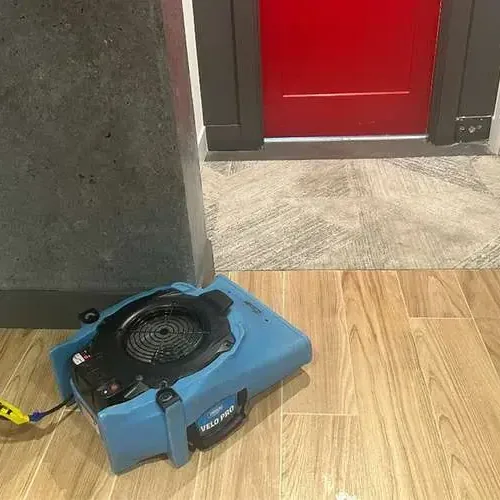
What puts Valley Center homes at risk
Water damage here usually comes from ordinary failures more than rare disasters: pressurized pipes, worn appliances, roof leaks and the occasional heavy storm. Knowing the weak points helps owners catch problems early.
May 2015: A 12-inch water district main installed in the 1960s burst near McNally and Carney roads, opened a three-foot sinkhole and lost an estimated 50,000 gallons before crews shut off the water.
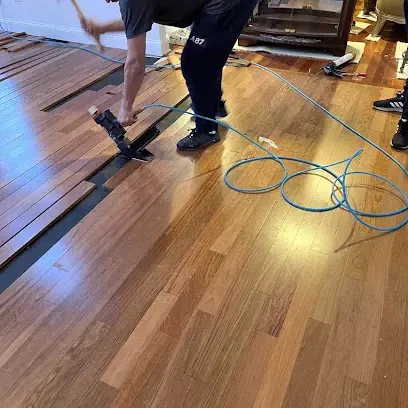
Pressurized pipe failures
Pressure behind a failed pipe keeps water moving until a valve is closed, so every owner should know where the shutoff is. A public main failure in 2015 showed how quickly pressure moves water.
Heavy storms and runoff
Across California the largest storms arrive as atmospheric river events, and San Diego County's Know Your Hazards map lets residents type in an address to see whether it sits in a floodplain.
Rural properties
The 2020 census counted the community as 100% rural, so water can sit unnoticed in garages, outbuildings and seldom used rooms until the damage is well along.
Water heaters and appliances
Tanks, washers and dishwashers fail in any climate. A slow leak behind an appliance can soak flooring and cabinets for a long time, so readings matter more than what is visible.
Water damage services for local homes
Each service below covers a different cause of water in the home, from a failed pipe to a backed up drain, and each one ends with measured dryness.
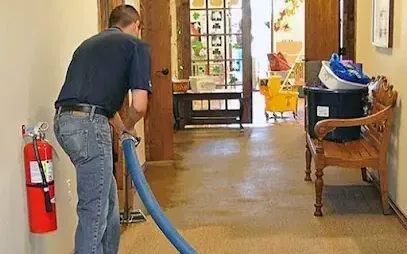
Water Extraction and Removal
Pumps and extractors pull standing water off floors, then soaked padding and trim are removed before they hold moisture.
Water Extraction and Removal details ›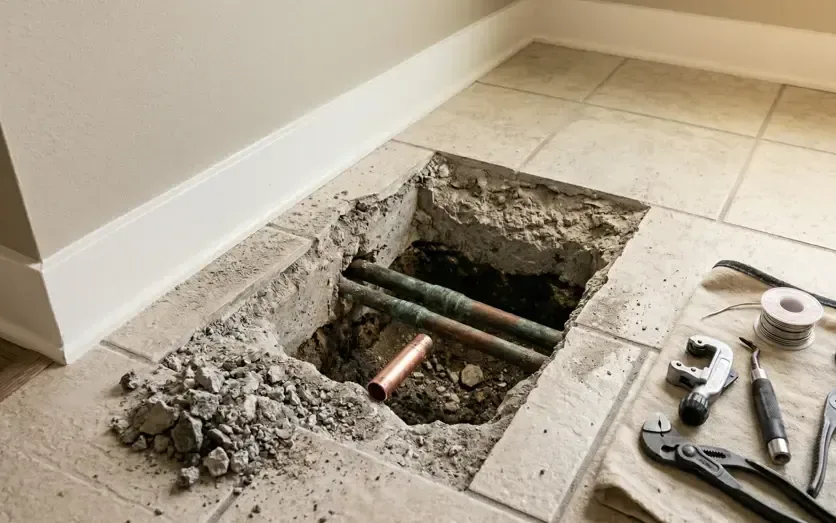
Slab Leak Water Damage
A leak under the floor is traced first, the flooring over it is lifted and the slab is dried.
Slab Leak Water Damage details ›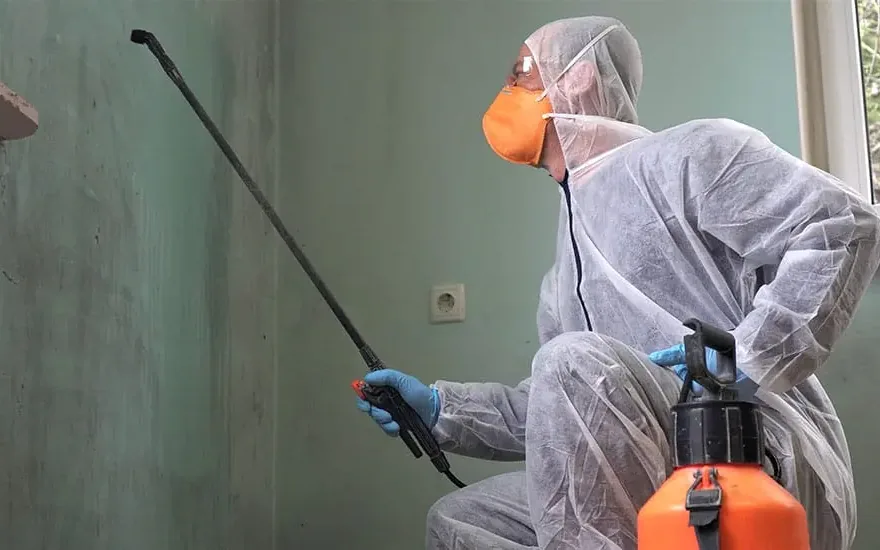
Sewage and Septic Backup Cleanup
Contaminated water is removed, affected surfaces are cleaned and disinfected, and porous materials are taken out.
Sewage and Septic Backup Cleanup details ›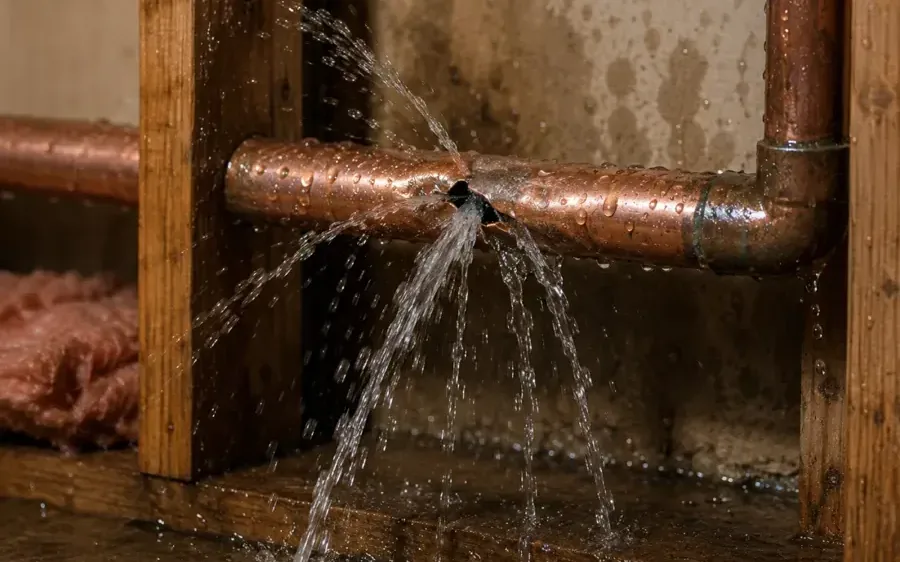
Burst Pipe Water Damage
Water is shut off, the soaked area is extracted and walls are opened where pressure drove water inside.
Burst Pipe Water Damage details ›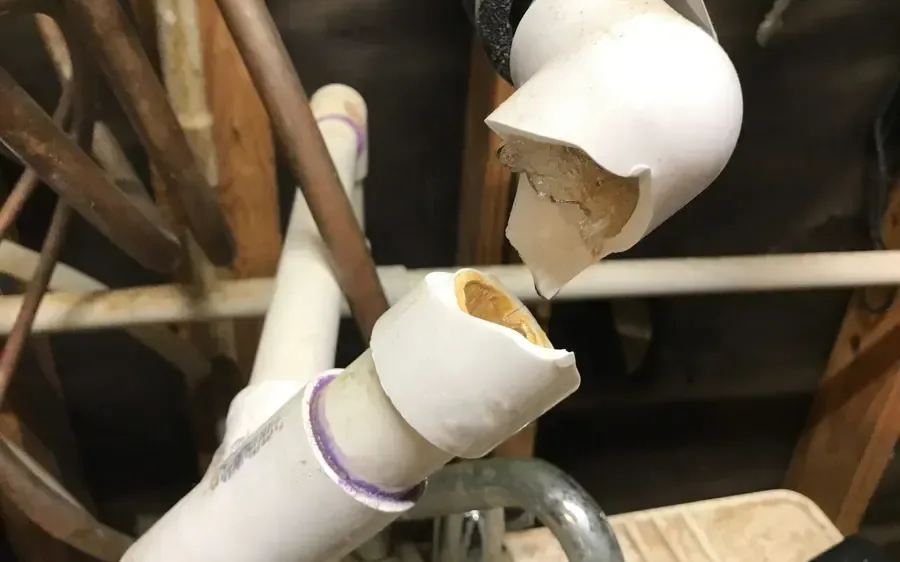
Frozen Pipe Water Damage
A split pipe shows its damage when it thaws, so the wet area is found, extracted and dried.
Frozen Pipe Water Damage details ›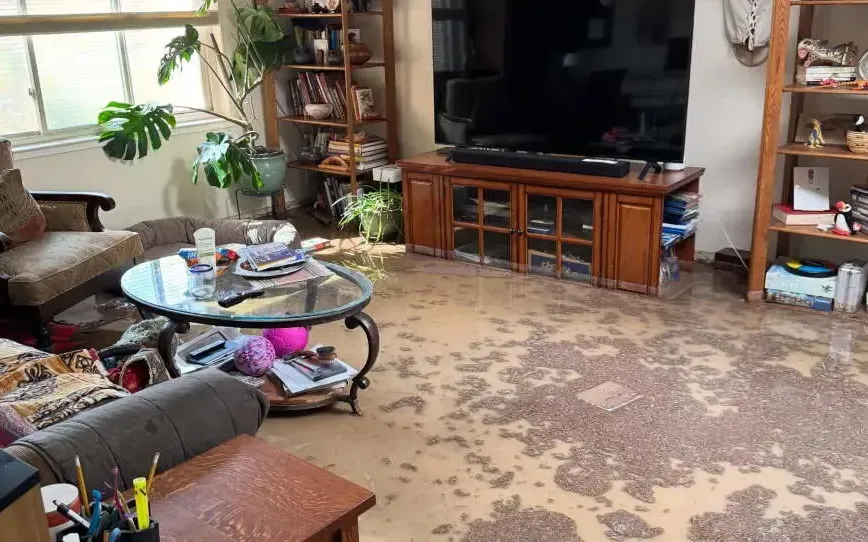
Storm Runoff and Flash Flood Cleanup
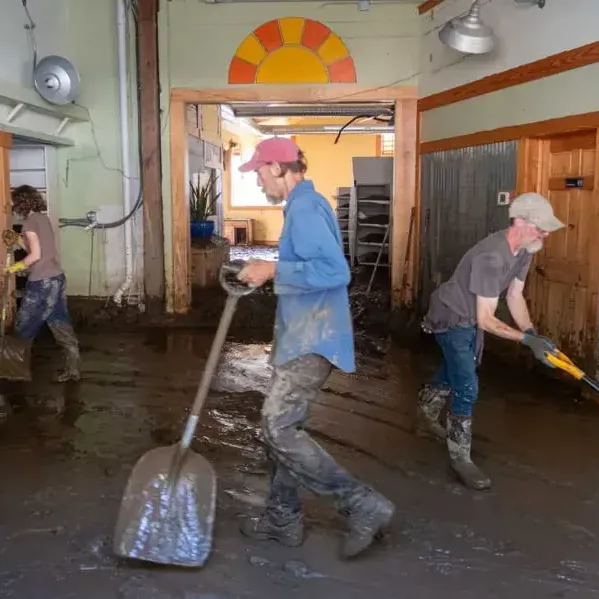
Mud and runoff are shoveled and pumped out, then floors and lower walls are cleaned and dried.
Storm Runoff and Flash Flood Cleanup details ›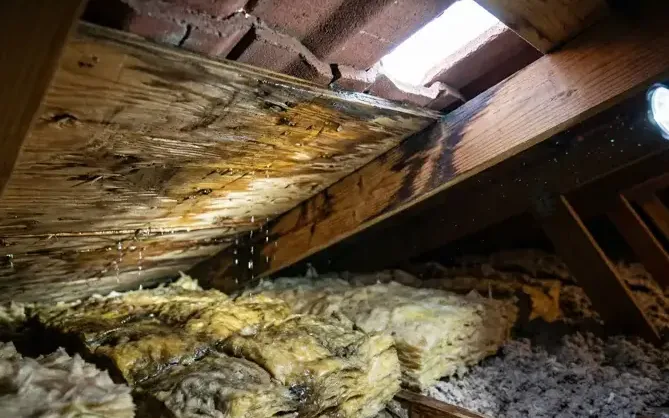
Roof Leak Water Damage
Stained ceilings and wet insulation are found by following the water back to its entry point.
Roof Leak Water Damage details ›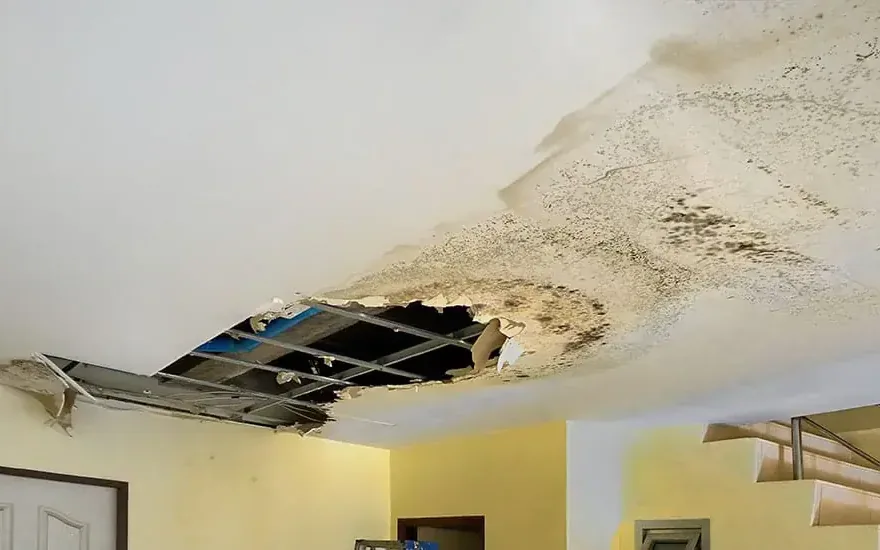
Ceiling Leak Water Damage
Wet drywall and insulation above a stain are dried or cut out once the source is found.
Ceiling Leak Water Damage details ›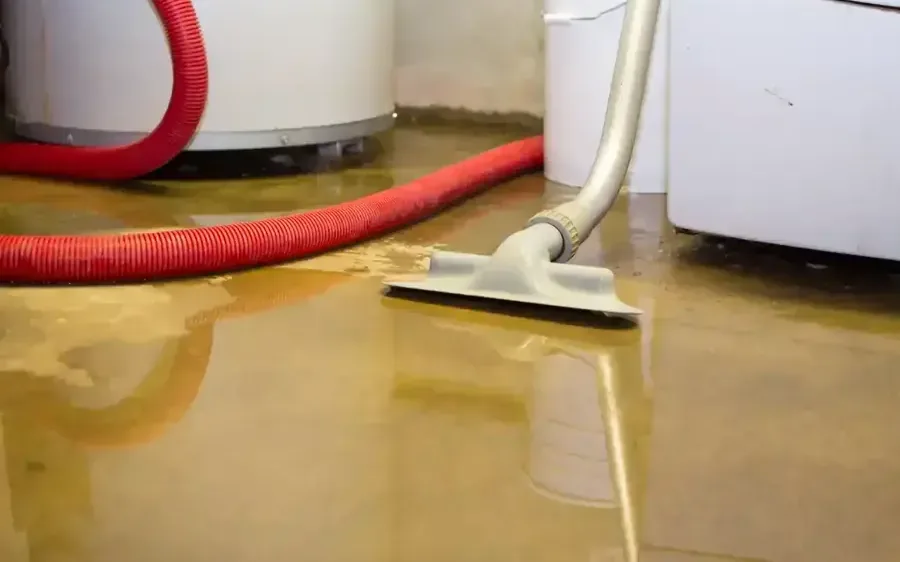
Water Heater Leak Cleanup
A tank that dumps its water is shut off, the floor is extracted and nearby walls are dried.
Water Heater Leak Cleanup details ›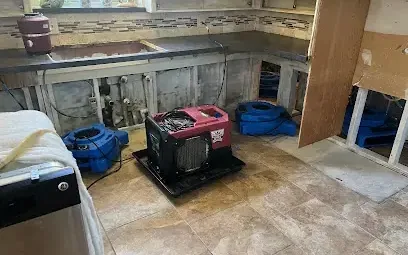
Appliance and Supply Hose Leaks
Washer, dishwasher and refrigerator leaks are mapped with meters to see how far the water traveled.
Appliance and Supply Hose Leaks details ›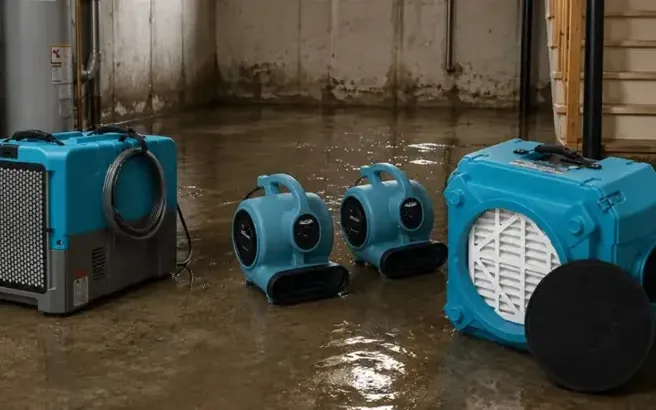
Structural Drying and Dehumidification
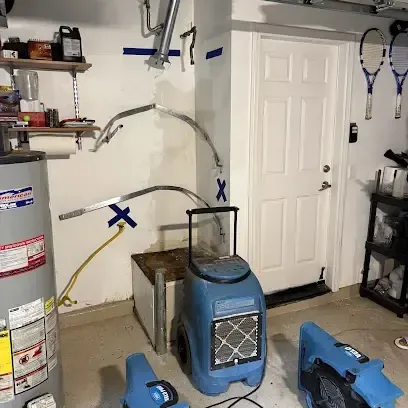
Air movers, dehumidifiers and meters dry walls, subfloor and framing until readings match dry references.
Structural Drying and Dehumidification details ›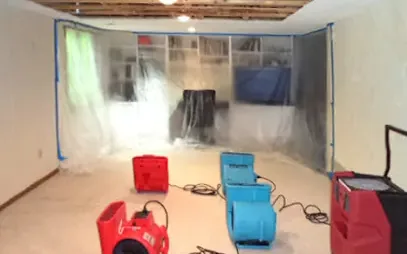
Commercial Water Damage
Shops, farm buildings and community venues get a drying plan that limits downtime for the business.
Commercial Water Damage details ›What to do in the first minutes after a leak
- 1
Shut off the water
Close the main valve or the appliance stop, switch off power to wet areas and stay out of standing water until it is safe.
- 2
Call the drying team
Describe the source, the rooms touched and whether the water looks clean, gray or like sewage so the right crew and gear are sent.
- 3
Protect what you can
Lift small items, furniture legs and rugs off wet floors and photograph the damage before anything is moved.
- 4
Hold off on repairs
Wait before patching drywall or laying new flooring, because trapped moisture shows up later as stains and swelling.
- 5
Contact the insurer
Report the loss early and share the photos and readings the drying team records as the job moves along.
Reaching the drying team from anywhere in town
Park Circle's newer single family homes, rural properties and the shops and private recreation centers all get the same process: stop the water, extract it, dry the structure and document the loss.
The 2020 census counted the community as 100% rural, so callers should share a cross street or landmark, such as McNally Road or Carney Road.
(888) 450-9281Ask about your propertyHow a job is judged finished
A job is finished when wet materials read dry against an unaffected reference, not when a room only feels dry. Readings are logged at each visit so the owner and the insurer can see the trend.
Inspect
Moisture meters and a thermal camera find every wet wall, floor and ceiling, not only the visible stain.
Extract and remove
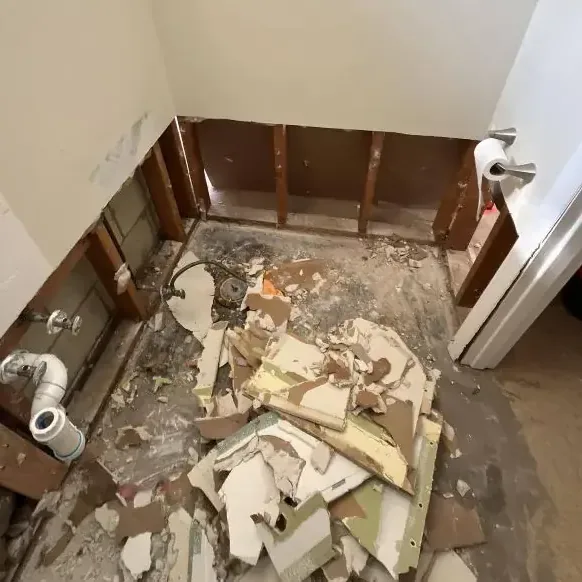
Standing water is pumped out and soaked pad, baseboard or drywall is cut away.
Set the equipment
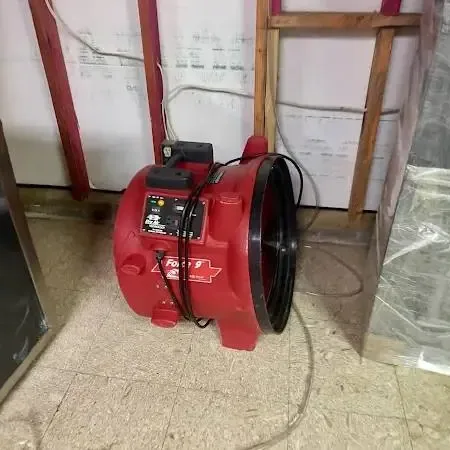
Air movers and dehumidifiers are placed to match the room size and the wet materials.
Monitor
Readings are taken each visit and equipment is moved or removed as areas dry.
Verify dry
Final readings are compared with dry reference points before anything is rebuilt.
Serving the Valley Center community and Park Circle
Streets and places
Nearby towns
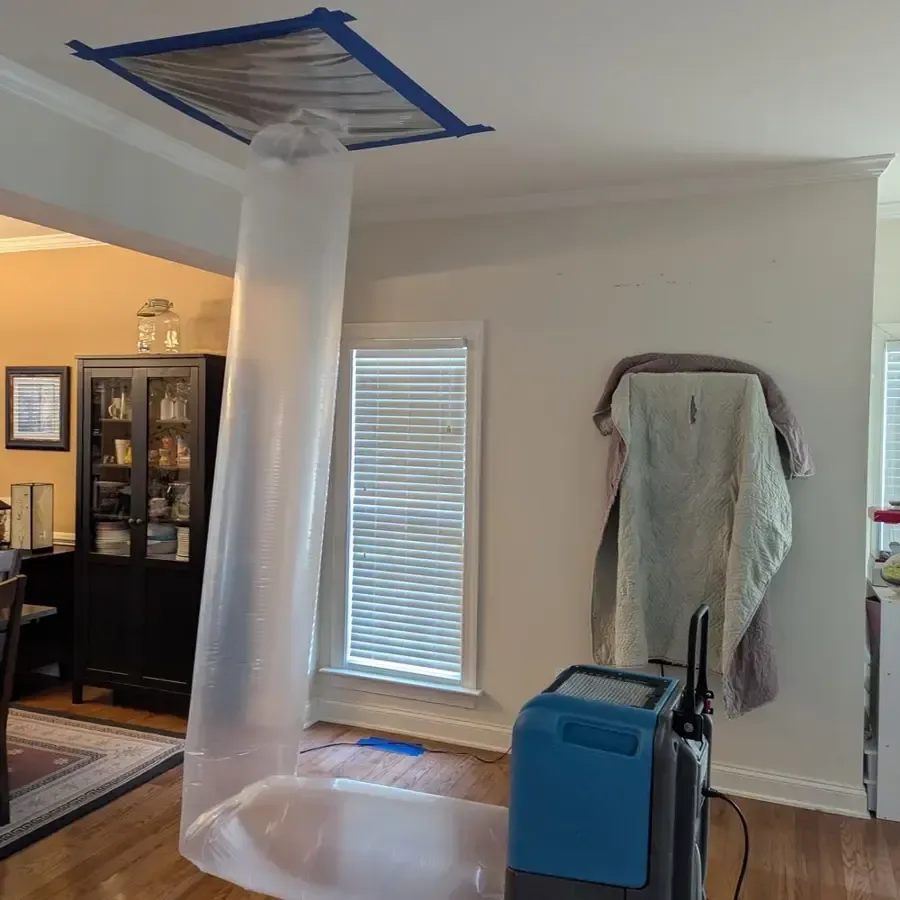
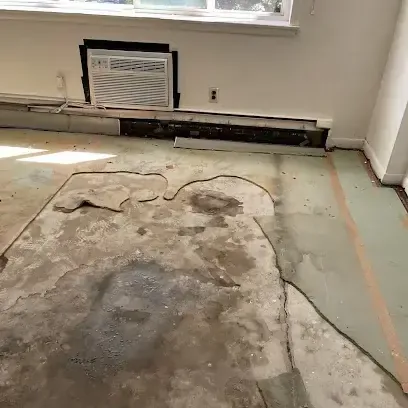
What a drying job looks like
Where water damage in local homes usually starts
Pipe and hose failures
A split pipe, a failed fitting or a cracked supply hose can release water for hours before anyone notices, soaking walls and floors from inside.
Leaks from above
Roof and ceiling leaks send water through insulation and drywall, so a stain often hides a much larger wet area.
Contaminated water
Sewage and septic backups are cleaned and disinfected, and porous materials are opened up where they soaked.
A drying process built on readings instead of guesses
At the 2020 census, 82.6% of occupied homes here were owner-occupied, so most water damage jobs involve people protecting their own house and their own claim.
Water and sewage only
The crew works on water, sewage and storm runoff, so the equipment, protective gear and methods fit the problem.
Moisture readings
Wet areas are mapped with meters, and drying stops only when readings match the dry reference points set at the start.
Clear documentation
Photos, readings and equipment notes are saved to support the insurance claim and any later repairs.
Open any hour
Water keeps spreading overnight, so a call can start the response at any hour.
What does water damage cleanup cost here?
Most jobs fall between $1,200 and $12,000, depending on how many rooms are wet, how long the water sat and whether it was clean or contaminated. A written scope explains the price before work starts.
One or two rooms
- Standing water removed
- Fans and dehumidifiers
- Moisture checks
Several rooms or a hallway
- Wet materials removed
- Longer equipment runs
- Daily moisture readings
Contaminated or whole level
- Cleaning and disinfecting
- Controlled demolition
- Final dry check
Prices are planning ranges only. The final number depends on the water category, the materials involved and what the readings show on site.
Working with your insurer
Policies differ, but sudden water damage such as a burst pipe or failed heater is commonly covered, while long running seepage often is not. Clear records help the claim move.
- Photos of every wet room and damaged item
- Moisture readings recorded at each visit
- A written scope of the work completed
- Receipts for any emergency plumbing repairs
- The date, time and cause of the loss
If you file the claim yourself
Call the insurer as soon as the water is stopped and ask what proof the adjuster wants to see before cleanup begins.
Keep removed materials until the adjuster has seen them or approved their disposal, and save every receipt for emergency work.
Common water damage questions
How fast should water damage be dried?
Drying should begin as soon as the source is stopped. Wet drywall and insulation can start growing mold within a day or two, so waiting turns a small job into a larger one that needs more demolition and longer equipment runs.
Does homeowners insurance cover water damage?
Sudden events such as a burst pipe or a failed water heater are commonly covered, while long term seepage usually is not. Policies differ, so the insurer makes the final decision, and photos taken before cleanup make that decision easier.
What does water damage cleanup cost?
Smaller extraction jobs often run $1,200 to $3,500, while contaminated or whole level jobs can reach $6,500 to $12,000 or more. The wet area and the water category set the price, and the extraction page shows the cost cards in detail.
Is sewage damage handled differently?
Yes. Sewage is contaminated water, so porous materials are removed and the area is cleaned and disinfected instead of simply being dried. Protective gear is worn throughout, and the sewage cleanup page explains each stage.
Who handles a leak outside the house?
Valley Center Municipal Water District, a public agency, provides water service here. Water that has entered a building is handled by the extraction and drying crew, while a plumber repairs the failed pipe or fixture that caused it.
Do renters need to call too?
Renters were 17.4% of occupied homes at the 2020 census. The steps are the same: stop the water, call for extraction, tell the landlord and photograph belongings so the renter's own insurer has a clear record of what was lost.
Can wet carpet or hardwood be saved?
Often, when it is dried quickly and the water was clean. Carpet pad is usually replaced, while hardwood and tile may be dried in place with specialty mats. Moisture readings decide what stays and what goes.
Do newer homes in Park Circle still get water damage?
Yes. Supply hoses, appliance connections and water heaters fail in newer construction too, and tightly built rooms can hold moisture, so drying equipment and moisture readings are still needed after any leak.
How is a storm flood different from a pipe leak?
Storm runoff carries soil and bacteria, so it is treated as contaminated water. Mud is removed, surfaces are cleaned and porous materials are often discarded. A pipe leak with clean water is usually simpler to dry and to repair afterward.
Do commercial properties get the same service?
Yes. Shops, farm buildings and community venues need extraction and drying too, with a plan that keeps the business running wherever possible. See commercial water damage for how larger floors are handled.
Standing water needs action before it spreads further
A call starts the plan, and extraction and drying follow as soon as the source of the water is stopped.
(888) 450-9281Call the drying team