Water Damage Restoration Alpine, CA
Water keeps moving into pad, baseboards and drywall for hours after a leak, so getting it out early saves more than any later repair. Crews serving the area extract it, dry the structure to the IICRC S500 standard and record daily readings for the claim.
(888) 450-9281Get the soaked rooms extracted firstWater and sewage work only. Every job is tracked with a moisture map, daily readings and dated photos that the insurance adjuster can follow.
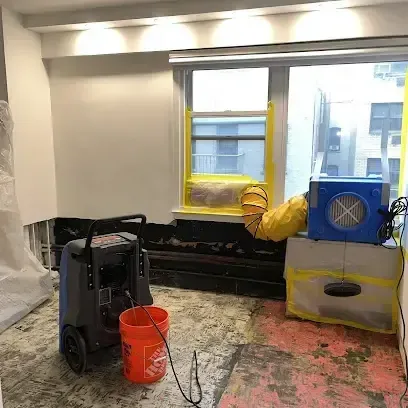
Why water damage in Alpine follows the seasons
Alpine sits at about 2,000 feet in the Cuyamaca Mountains, largely surrounded by Cleveland National Forest, with dry summers, cool winters and rain that swings widely from one year to the next.
February, on average: The wettest month in NOAA's 1991 to 2020 normals, at 3.65 inches, with January close behind at 3.21 inches, the season roofs and thresholds get tested.
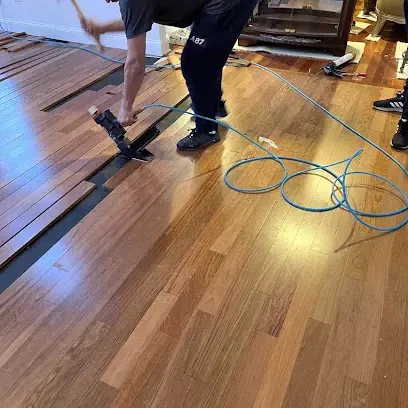
Winter storm rain
Rain averages 16.05 inches a year and falls mostly from November to March, across about 42.7 days with measurable precipitation. A long storm finds worn flashing, vents and door thresholds.
Rain that swings year to year
Rainfall varies greatly from month to month and year to year, and the area has numerous microclimates, so a wet winter can follow several dry ones and catch a neglected roof.
Occasional hard freezes
Lows under 35 degrees are occasional rather than routine, mostly in the northern section on the slopes of the area's highest peak. NOAA lists a record low of 19 degrees.
Supply, drain and appliance leaks
Of the 5,532 housing units counted in 2020, nearly all are occupied, and about three in ten occupied homes are rentals, so owners and tenants alike face water heater, appliance and drain leaks.
Water Damage Restoration Services in Alpine, CA
Water and sewage work only, shaped around how homes on both sides of Interstate 8 take on water: from the roof in winter storms, and from supply lines, drains and appliances.
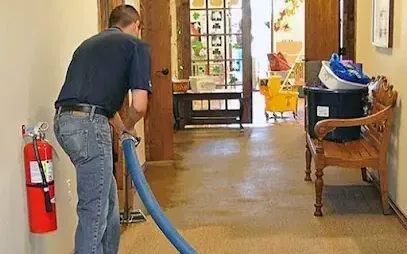
Water Extraction and Removal
Pumps and extraction wands clear pooled water from tile, concrete and carpet so it stops climbing into the walls.
Water Extraction and Removal details ›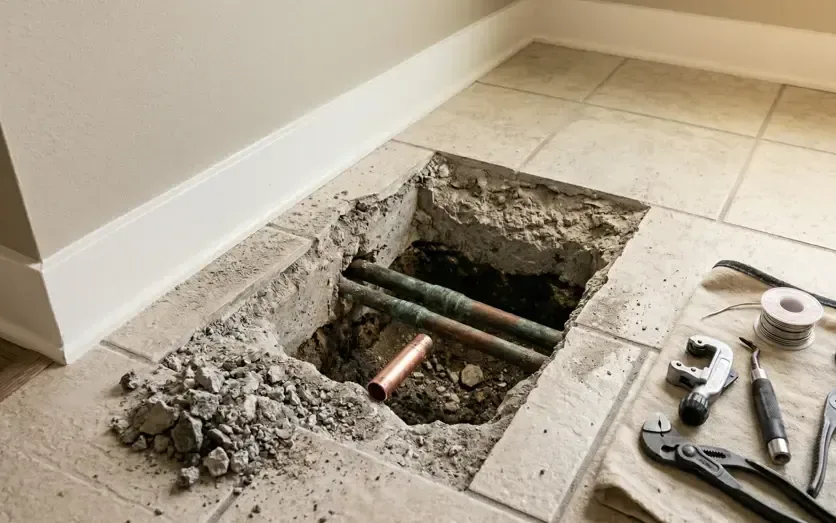
Slab Leak Water Damage
Water from a line under the concrete rises into flooring unseen. The floor over it comes up and the slab is dried.
Slab Leak Water Damage details ›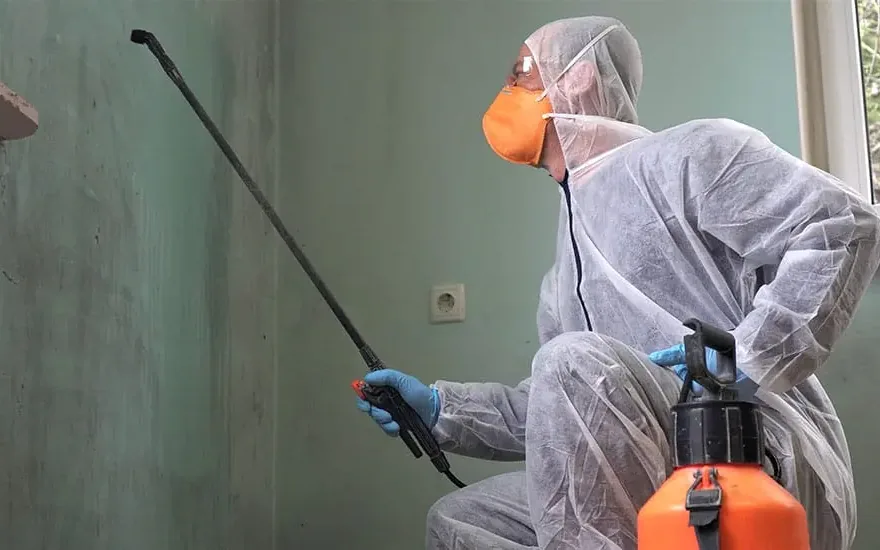
Sewage and Septic Backup Cleanup
Drain and toilet overflows count as black water. Soaked porous items go, and every surface is treated, then dried.
Sewage and Septic Backup Cleanup details ›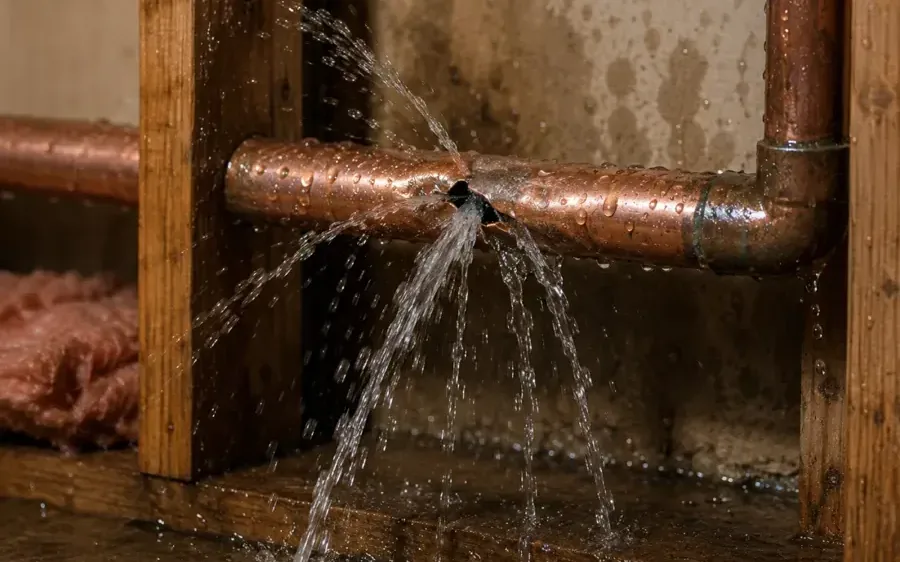
Burst Pipe Water Damage
A broken line under pressure keeps flowing until the main closes. Wet cavities get opened, emptied and dried out.
Burst Pipe Water Damage details ›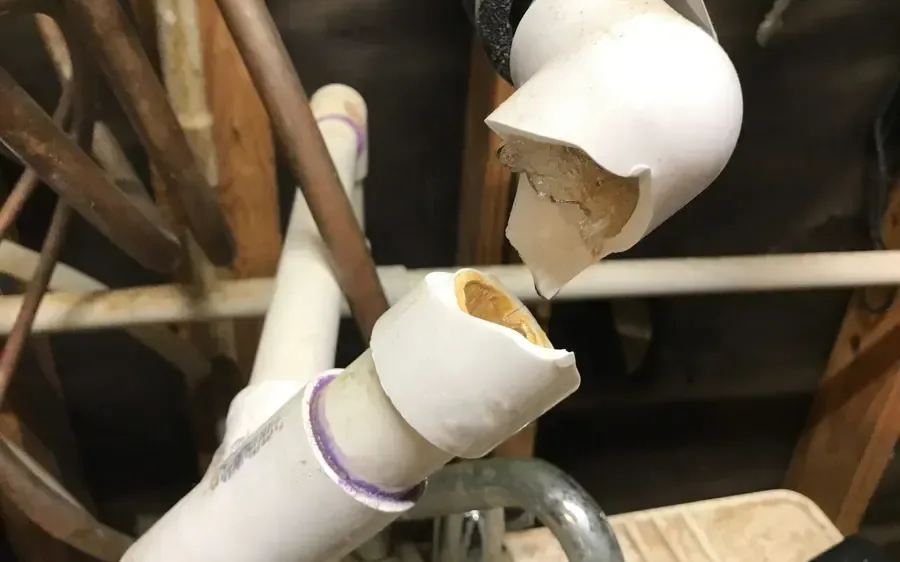
Frozen Pipe Water Damage
Freezing nights are occasional, mostly on the northern slopes. A line that splits is found at the thaw and dried.
Frozen Pipe Water Damage details ›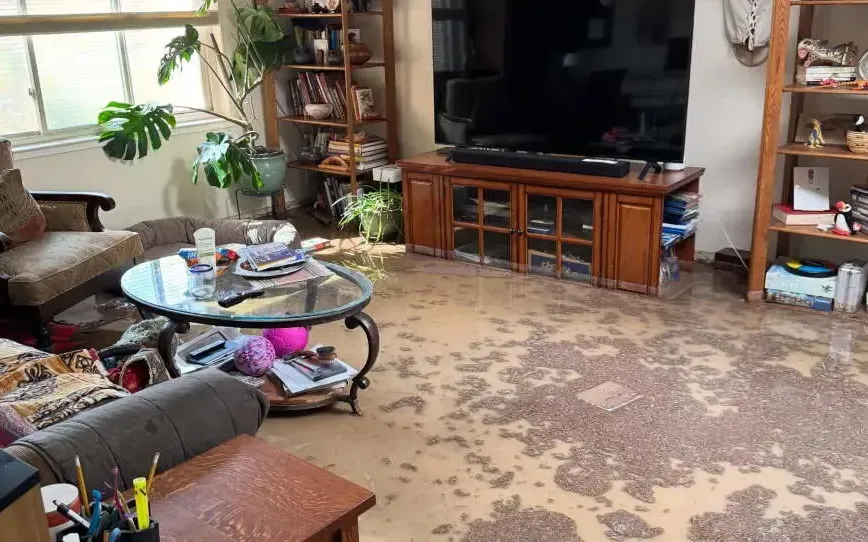
Storm Runoff and Flash Flood Cleanup
February and January carry the heaviest rain. Water pushed indoors by a storm is cleared, treated and dried.
Storm Runoff and Flash Flood Cleanup details ›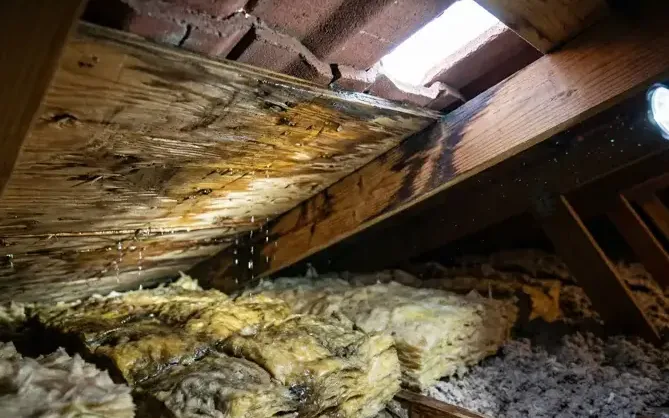
Roof Leak Water Damage
Rain slipping past flashing and vents settles into attic insulation, which is pulled before the ceiling dries.
Roof Leak Water Damage details ›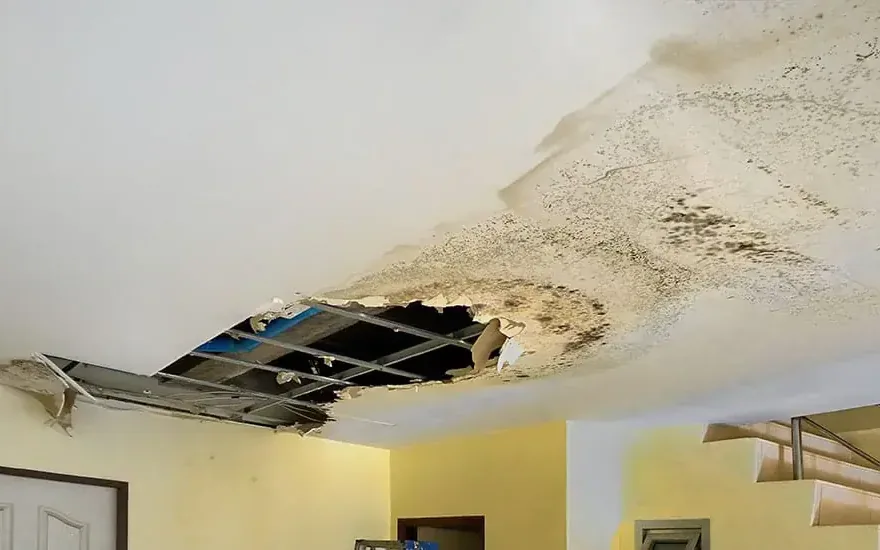
Ceiling Leak Water Damage
A drip or bulge overhead gets traced to its source before the drywall is opened and the bays above are dried.
Ceiling Leak Water Damage details ›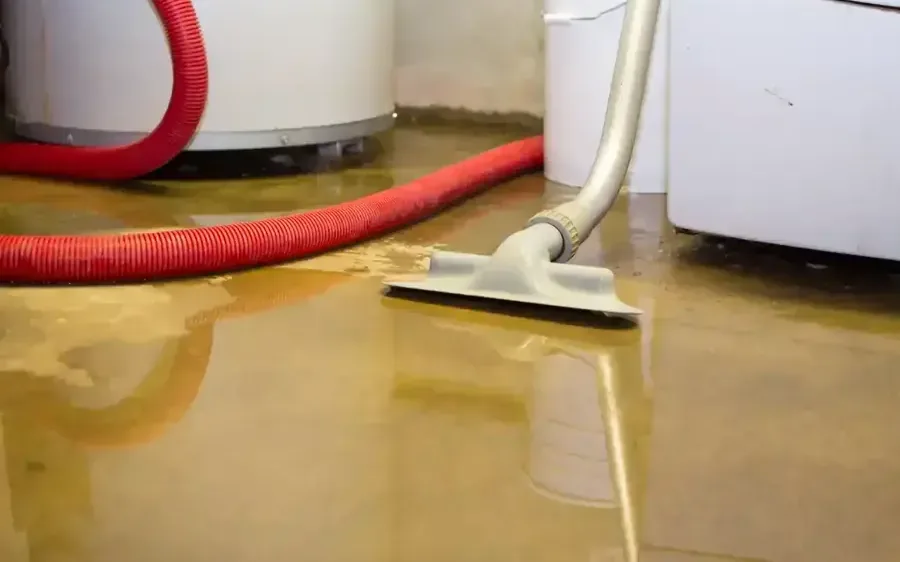
Water Heater Leak Cleanup
A failed tank soaks floors, drywall and stored boxes, for owners and tenants alike. Extraction comes first.
Water Heater Leak Cleanup details ›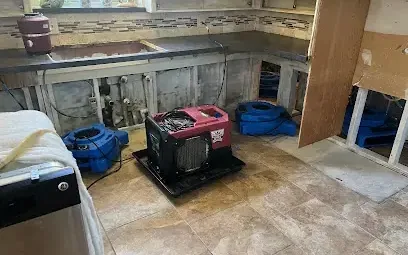
Appliance and Supply Hose Leaks
Leaks from a washer, dishwasher, fridge line or toilet supply creep under cabinets and flooring where nobody looks.
Appliance and Supply Hose Leaks details ›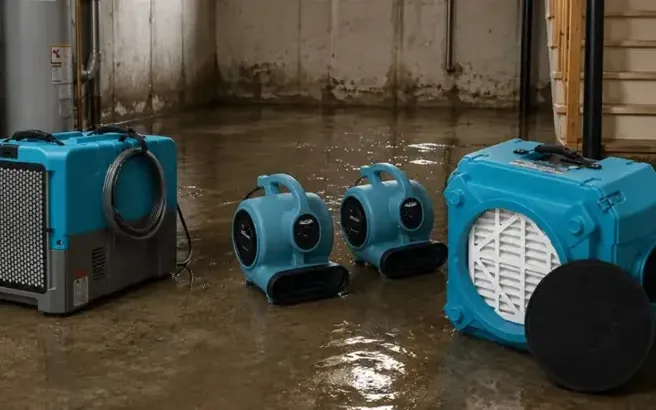
Structural Drying and Dehumidification
Framing, subfloor and concrete are dried against a dry reference reading, with fans and LGR units sized to the room.
Structural Drying and Dehumidification details ›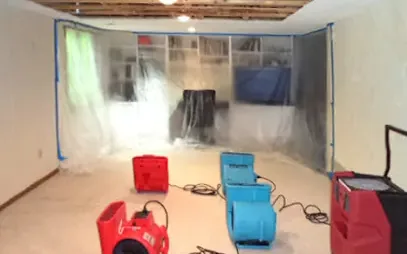
Commercial Water Damage
Small businesses in the commercial district are dried in phases so the doors can stay open around the equipment.
Commercial Water Damage details ›The first hour sets how far the water gets
- 1
Close the main shutoff
Turning off the main keeps a broken line, a failed tank or a leaking appliance from pushing more water inside.
- 2
Stay clear of outlets
Keep away from wet floors near cords and outlets, and do not touch the breaker panel if water got to it.
- 3
Treat drain water as sewage
Anything coming up through a toilet, tub or floor drain is Category 3, so keep people and pets out of the room.
- 4
Photograph every wet room
Wide shots and close-ups taken before anything is moved become the opening pages of the claim file.
- 5
Call for extraction and drying
A crew shows up with pumps, fans, dehumidifiers and moisture meters at any hour, weekends and holidays too.
One call puts an extraction crew on the road, day or night, any day
Dispatch runs 24/7 across the area, from the Alpine Boulevard business district to the rural lots and horse ranches around it, nights and holidays included.
Active water is treated as urgent at any hour. The crew arrives with pumps, air movers and meters, and the visit starts with a moisture map.
(888) 450-9281Send a drying crew out to the propertyFrom the first call to a dry, verified reading
The IICRC S500 standard is the drying rulebook the trade works from. It defines how a loss is classed, how moisture gets measured and the point at which fans and dehumidifiers may be removed, which is a reading, never a look.
Dispatch
The response team records what leaked and which rooms are wet, then routes a crew with pumps.
Find the moisture
Thermal imaging and meters trace water under flooring and behind drywall.
Remove the water
Portable or truck-mounted extractors lift the pooled water off the floor.
Dry with daily logs
Fans and LGR dehumidifiers run, and each day's numbers go in the log.
Confirm and record
Gear comes out when readings sit within 2 to 4 points of a dry reference.
From the commercial district to the northern slopes, both sides of Interstate 8
Roads, corridors and landmarks
Nearby communities
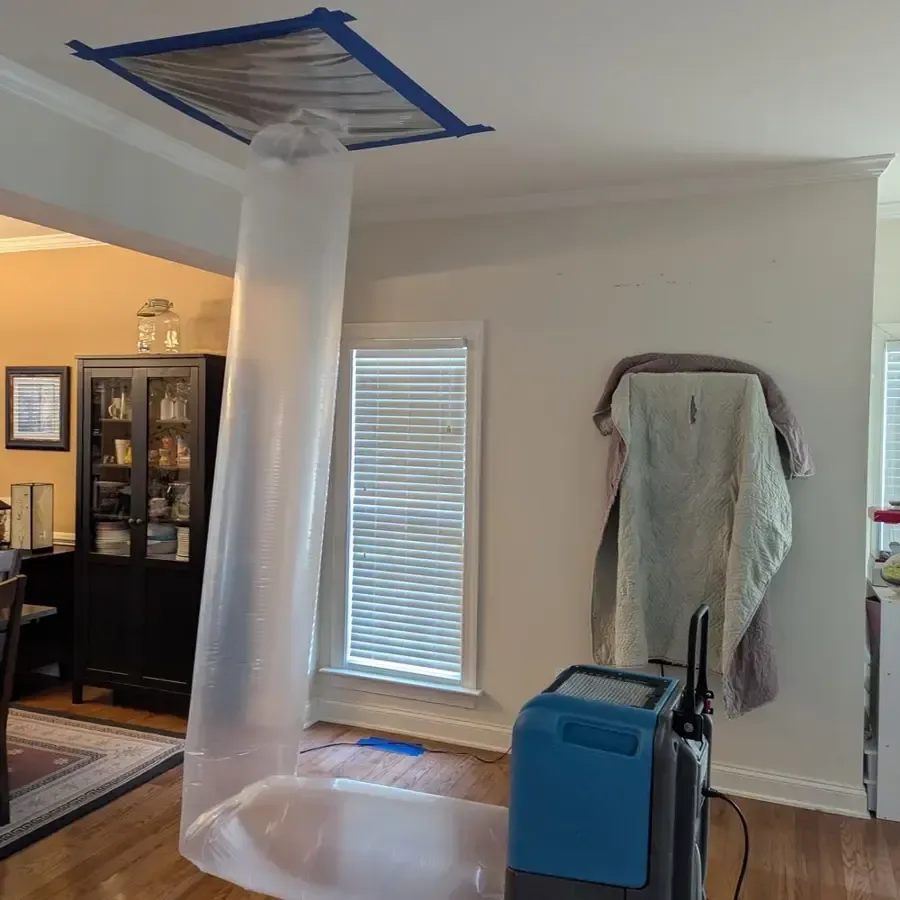
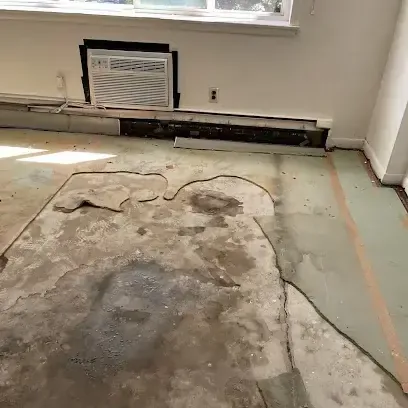
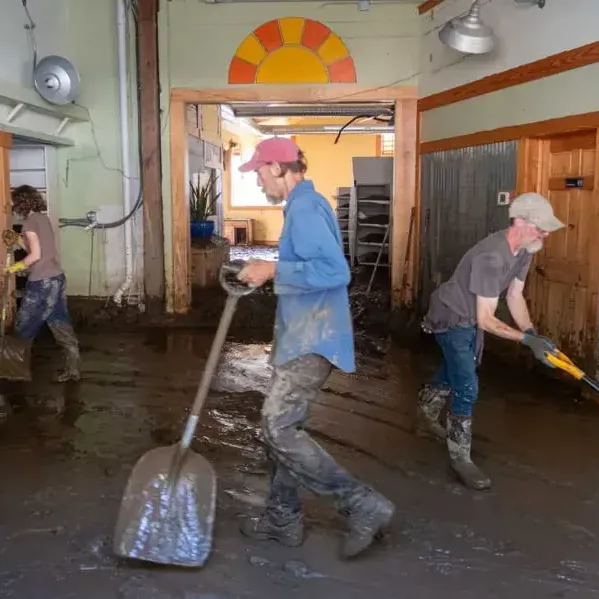
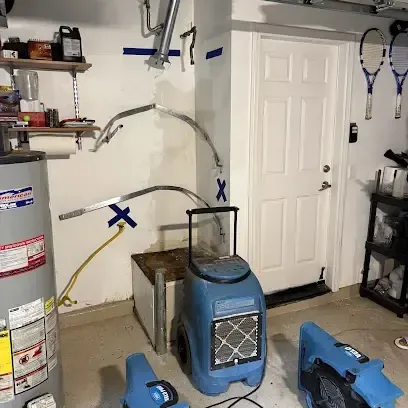
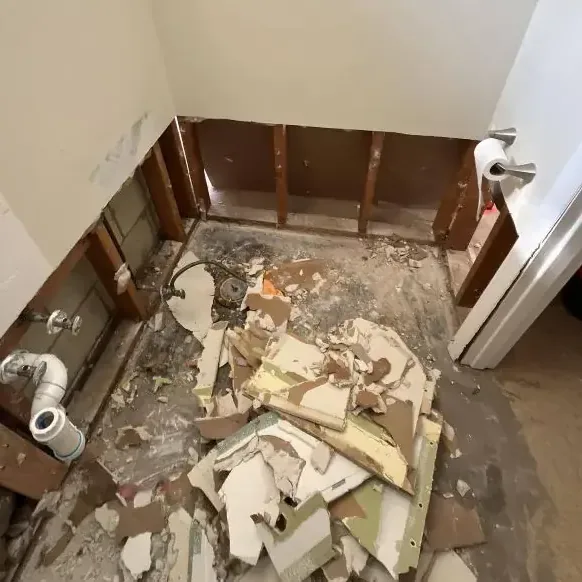
What a water damage dry-out looks like inside a home
Clean, gray or black water each gets its own drying plan
Category 1, clean supply water
Water from a broken supply line, a slab leak or a tank failure. Found quickly, most of what it touched dries where it is.
Category 2, gray water
Overflow from a washer or dishwasher holds soap and soil, so the pad is usually pulled and surfaces are wiped with antimicrobial.
Category 3, black water
Drain backups and storm water from outdoors. Anything porous it soaked is taken out instead of dried.
How a dry-out in the Cuyamaca foothills runs from first reading to last
A floor can look finished days before the framing under it is dry. The gap between the two is measured, not guessed, with readings taken every single day.
The map comes before the fans
Every walkthrough starts by charting moisture, so equipment lands where the water really went.
Water out before drying starts
Pooled water is lifted first, which keeps it from soaking sideways into the next wall or room.
Drying stops on a number
Fans and LGR units are sized to each room, and they stay until the day's readings reach the goal.
Records an adjuster can use
Dated photos, the moisture map and the daily logs tell the claim story from the first visit on.
What does water damage restoration cost in Alpine, CA?
Water damage restoration here typically runs $1,200 to $12,000 or more. Water category, square footage, material class and how fast drying started move the total most, and each scope follows a walkthrough and a moisture map.
Small, caught early
- One room or a small supply leak
- Extraction and drying
- Clean, Category 1 water
Several rooms
- Flooring lifted, wall bottoms opened
- Containment and LGR drying
- Clean or gray water
Contaminated or whole level
- Category 3 removal
- Antimicrobial and containment
- Extended monitoring
Ranges are typical, not a quote. The water damage cost calculator gives a closer range, and structural drying explains how drying time is set.
What the claim file holds
A sudden failure, like a broken supply line or a tank that splits, is often covered, while water rising from outdoors usually falls under a separate flood policy. Read your own policy.
- Room by room moisture readings on a map
- A daily log of air temperature and humidity
- Dated photos from before any tear-out
- The category and class assigned to the loss
- An itemized scope covering removal and drying
Before the adjuster arrives
Keep ruined items on hand until the adjuster sees them or clears disposal, and snap the model and serial plates on appliances.
Note the time the water was spotted and the time it was stopped. That record helps show a sudden event instead of a long, slow drip.
Alpine water damage questions, answered
How fast can a crew reach a water emergency here?
Crews dispatch around the clock, holidays included, and active water is handled as urgent. Travel time depends on the road and the weather, so the response team confirms when the crew will arrive before it heads out.
Will homeowners insurance pay for water damage here?
A sudden event, like a broken supply line or a tank that gives out, is often covered. Water from outdoors usually needs separate flood coverage, and long, slow leaks are frequently excluded. Read your own policy; the claim file records the loss either way.
What causes most water damage in local homes?
Supply line and fixture leaks, water heater failures, appliance hoses and drain backups happen year round. Winter storms add roof leaks and water at thresholds, mostly from November to March, when nearly all of the year's rain falls.
How long does drying take?
Small, contained losses usually finish in three to five days after the fans start. Concrete, hardwood and wet wall cavities need longer, and nothing is pulled until readings land within 2 to 4 points of a dry reference.
What does the IICRC S500 standard cover?
It is the trade's reference for restoring water damaged buildings. It sets the water categories, the classes of loss, how moisture is read and what counts as dry, so the finish line is a measurement rather than an opinion.
When does wet drywall have to be cut out?
Drywall wet with clean water can often stay if drying begins within a day or two. Drywall hit by drain water or outdoor water, or soaked long enough to swell or crumble, gets cut away above the wet line.
Why is a sewage backup handled differently?
Drain backups are Category 3 and carry germs. The crew suits up in PPE, takes out porous materials the water reached, cleans, applies an EPA-registered antimicrobial for its full labeled dwell time and dries only after that.
What should happen in the first 24 to 48 hours?
Shut off the source, have the pooled water extracted and get fans running. Mold can start growing on damp materials within 24 to 48 hours, so early extraction does more good than any repair that follows.
How is the cost of a water damage job worked out?
It comes from the category of water, how many square feet and which materials got wet, the class of loss and the number of days equipment runs. The itemized scope is built from the moisture map, so it follows the real wet area.
Do pipes freeze in this area?
Occasionally. Winter lows under 35 degrees happen now and then, mostly on the northern slopes of the area's highest peak, and NOAA lists a record low of 19 degrees. An exposed line that does split leaks when it thaws.
Water in the house? Get extraction and drying moving before it spreads
Extraction, structural drying and the claim file, handled around the clock from the commercial district to the rural lots beyond.
(888) 450-9281Call in the drying crew