Storm Runoff and Flash Flood Cleanup in Julian, CA
Heavy winter rain and summer monsoonal storms can push runoff and mud into garages and ground floors. The crew pulls out the water and silt, removes soaked materials and then dries the structure completely.
(888) 450-9281Report storm water inside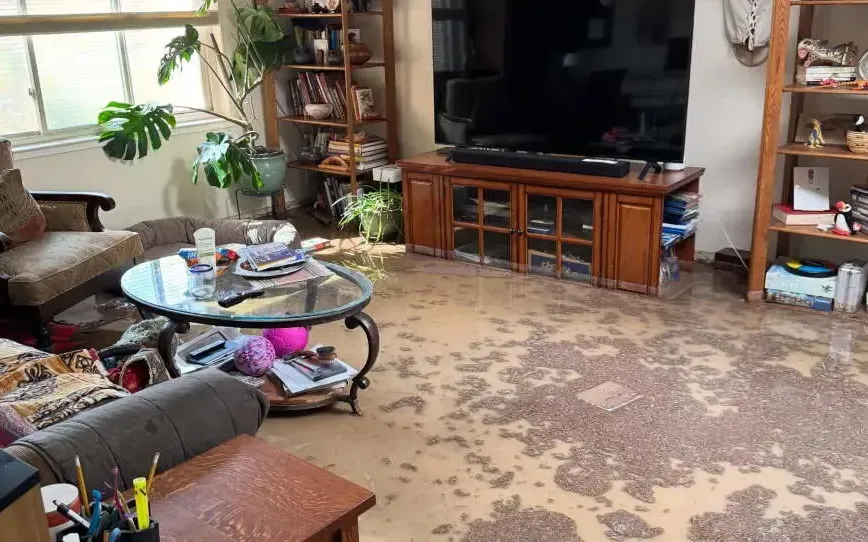
Water that arrives from outdoors picks up soil, bacteria and debris on the way, so it is treated as contaminated. Julian averages about 24.48 inches of precipitation a year, plus 6.4 inches of snow, and summer brings some monsoonal storms from the southeast. That is why the work begins with removal and sanitizing rather than drying alone.
How storm runoff and flash flood cleanup is handled, step by step
Remove mud
Shovels, pumps and wet vacuums clear the floor.
Discard soaked items
Contaminated carpet and drywall are removed.
Sanitize
Floors and framing are cleaned and treated.
Dry out
Equipment runs until readings meet the target.
What storm cleanup involves
- Shoveling and pumping out mud, silt and standing runoff
- Removing carpet, pad and drywall that soaked up outside water
- Cleaning and sanitizing floors, framing and low walls
- Drying the structure with air movers and dehumidifiers
- Checking walls, insulation and doors for water that wicked upward
Anything porous that outside water soaked is usually taken out rather than dried.
Mud and runoff inside the house? Crews work any hour.
Describe the runoffWhat the ground has to do with it
Most of the townsite sits on well-drained sandy loam, while somewhat poorly drained alluvial loam occurs along Coleman Creek. No flood zone or named flood is confirmed for the community, so each job is judged on the building in front of the crew, not on a map.
Moving from cleanup to drying
After the mud is out, moisture readings set the pace for structural drying. Pooled water is cleared through water extraction, and a leaking roof that let storm water in is handled under roof leak water damage. Wet insulation and baseboards often hide water that the surface does not show, so meters check them before the job closes.
First steps when storm runoff and flash flood cleanup shows up
Stay safe
Stay out of deep water and away from electrical outlets until the power is confirmed off.
Photograph everything
Capture mud marks, wet floors and damaged belongings before cleanup begins.
Protect what you can
Move valuables up and away from wet floors, but leave heavy items for the crew.
Call for cleanup
Mud and storm water dry into floors, so pumping, removal and sanitizing should begin early.
What does storm runoff and flash flood cleanup cost in Julian, CA?
Storm runoff cleanup usually runs from $3,000 for a garage or one room to $15,000 or more for a whole floor. Mud depth, the area covered and how much porous material must be discarded set the price.
Garage or one room
- Mud and water removed
- Surfaces sanitized
- Air movers placed
Several rooms
- Carpet and pad removed
- Drywall cut out
- Dehumidifiers added
Whole floor
- Extensive removal
- Deep sanitizing
- Extended drying
What moves the number
Ranges are typical, not a quote. Water category, square footage, material class and how fast drying started move the total most. Run the water damage cost calculator for a closer range.
Storm runoff and flash flood cleanup across Julian and nearby communities
Storm cleanup covers garages and ground floors across the plan area between Volcan Mountain and the Cuyamaca Mountains, from Main Street shops to homes near Coleman Creek, within ZIP 92036. Crews travel State Route 78 and State Route 79 to reach the job in any weather.
The same service nearby: storm runoff and flash flood cleanup in Ramona, Alpine, Valley Center.
Water damage restoration in Julian › · every community covered
Related water damage services nearby
Storm Runoff and Flash Flood Cleanup questions, answered
Is storm water considered contaminated?
Yes. Water that flows across the ground picks up soil, bacteria and debris, so it is treated as contaminated and porous materials it soaked are usually removed.
When is the rainy season here?
NOAA 1991 to 2020 normals show February at 5.34 inches and January at 4.66 inches as the wettest months. Summer is the driest season, with some monsoonal storms from the southeast.
Does snow create water damage?
Julian averages 6.4 inches of snow a year, mostly in February and March. Melting snow and roof leaks can bring water inside, and wet insulation and drywall then need drying.
Is a named flood zone confirmed here?
No flood zone or named flood is confirmed for the community, so the crew assesses each building on its own conditions rather than on a map.
Can furniture be saved after storm water?
Solid wood and hard goods can often be cleaned, while upholstered pieces that soaked up contaminated water are usually discarded. The crew helps sort what is worth saving.
Mud dries into the floor and sticks
Silt and runoff settle into carpet and subfloors, so cleanup and sanitizing should start as early as possible.
(888) 450-9281Call about storm cleanup